The Black Soldier Fly: A Real Alternative for Sustainability

Can you imagine a “simple fly” having the capacity to transform organic waste into soil fertilizer much faster than conventional processes? We are talking about a period of between 14 and 30 days, depending on environmental conditions, to convert “organic waste” into a product with commercial value. Once they process the organic matter, their pupae are converted into meal for animal feed—such as chickens, fish, and even pets—or to produce biodiesel. All this may seem almost impossible to obtain from a simple insect; however, it is not.

A tropical specie with high potential

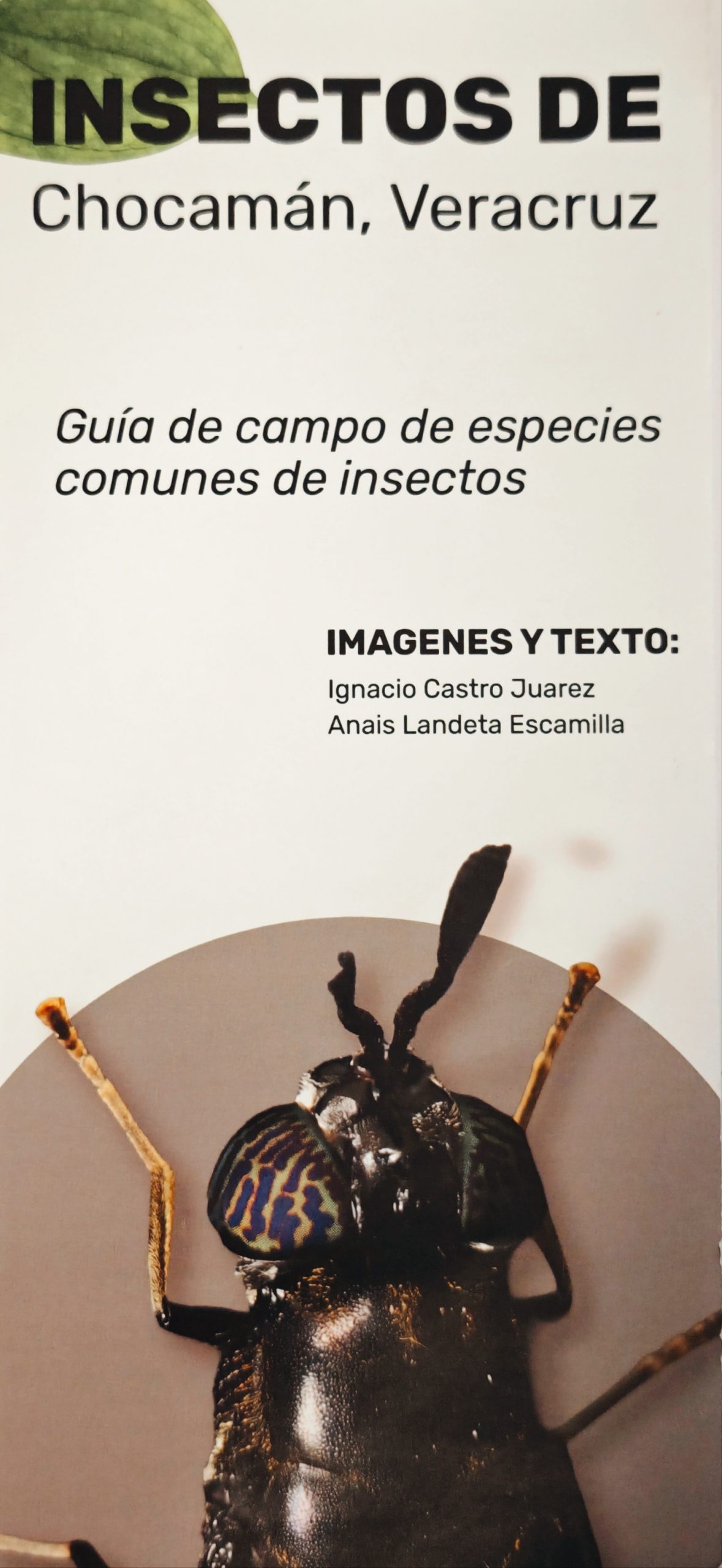
The Black Soldier Fly (BSF) is a fascinating insect that, when observed closely, shows iridescent tones under the camera. When you see it perching on a leaf or in the compost, it looks like a large wasp, as its body is black and measures approximately 2 cm long. For more than 20 years, the potential of this fly has been studied. Distributed in the tropics, especially in Mexico—specifically in Veracruz—the BSF represents a sustainable opportunity that has been underestimated. Although regulations on edible insects are scarce or even non-existent in Mexico, this insect presents itself as a viable alternative for our state.

The landscape of insect industry in Mexico

It seems somewhat illogical that in Mexico, where insects like true bugs, caterpillars, ants, etc., have been consumed for centuries, there are no laws regulating their production, processing, and commercialization. However, companies are already venturing into the production of the Black Soldier Fly (Hermetia illucens). One of these is the company Illucens, located in Mérida, which produces flour, pupae, and fertilizers derived from the BSF. Furthermore, in Latin America, the organization of edible insect industries, called “APICAL,” brings together various industries across the continent to strengthen this emerging field.

Challenges and global success stories

Various studies have shown that the BSF is extremely efficient in processing organic waste, whether in the treatment of municipal waste, organic market waste, or even dehydrated fecal sludge. However, as in any process, there are limitations. One of them is the presence of heavy metals in the food used for the insect, which can influence the life cycle characteristics of the fly population and, in some cases, accumulate in the prepupae.

In European and Asian countries, the BSF has been adopted in advanced waste management programs, where it is used to decompose organic waste in industrial facilities. Additionally, in Japan and other Asian countries, its use in animal protein production is common, thanks to its high efficiency in converting waste into food products. These examples demonstrate how the Black Soldier Fly is gaining ground as a sustainable solution in different parts of the world.

Towards a Circular Economy

The BSF’s ability to contribute to a circular economy, using waste as a source of resources, is a clear example of its essential role in the transition towards a more sustainable future and one less dependent on polluting practices. As its use expands globally, it is expected to play an even more significant role in environmental conservation and reducing human impact on ecosystems.

en_US
Scroll to Top